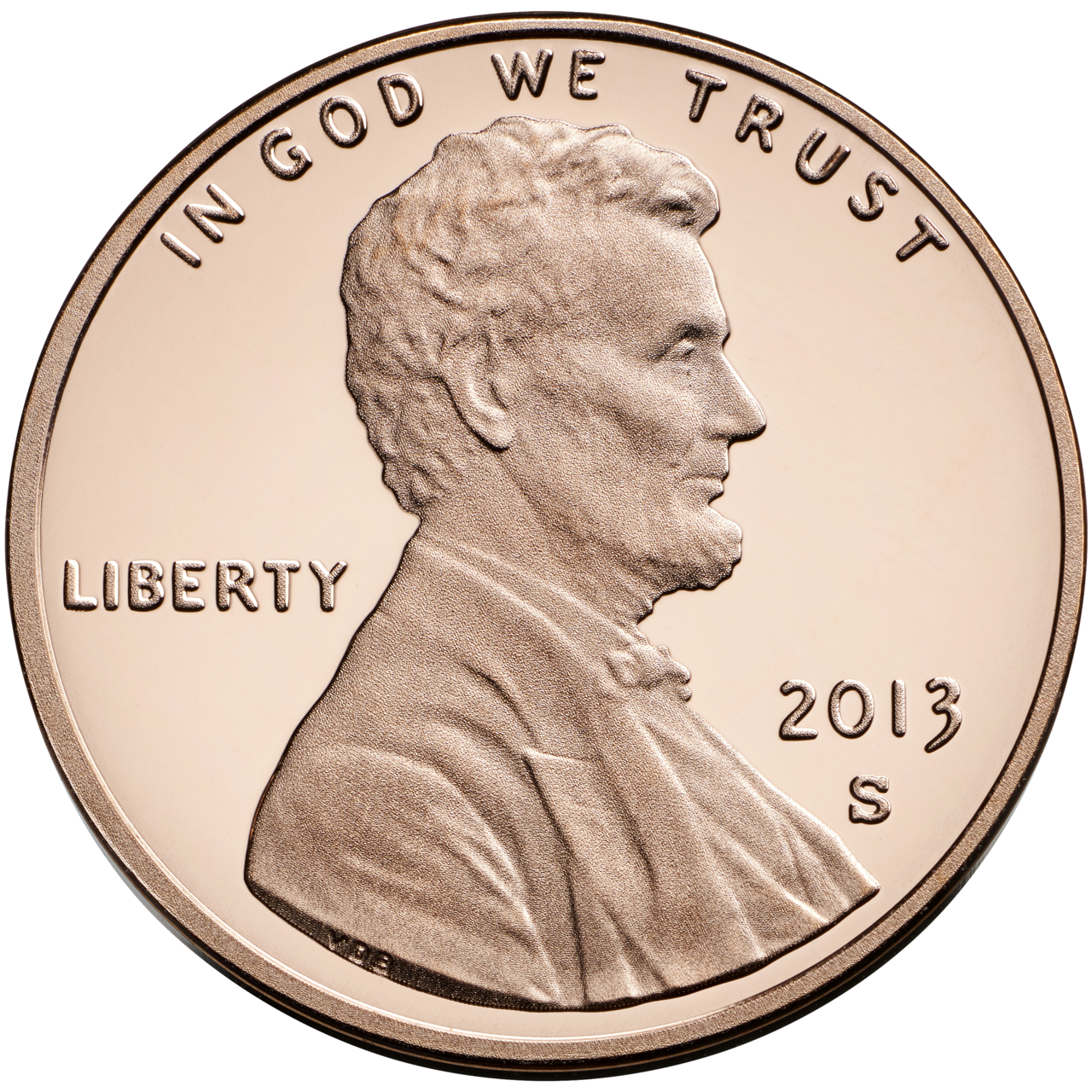
The Humble Penny: More Than Just a Cent in Your Pocket
When we consider the concept of "worth," our minds might immediately gravitate towards the substantial financial legacies of figures like **Penny Chenery**. Her name is etched in history, not for a literal coin, but for her indelible impact on thoroughbred racing as the owner of legendary horses like Secretariat and Riva Ridge. While her profound contributions and enduring influence far transcend a simple monetary figure, often prompting interest in her net worth, there's another, often overlooked, form of value that many people handle every day: the humble American penny.
Far from being merely one-hundredth of a dollar, certain pennies hold a remarkable intrinsic value, captivating collectors and surprising the uninitiated. In 2024, as the future of this iconic coin faces significant changes, understanding what makes a penny truly "worth" something can be both an intriguing hobby and a shrewd financial move. This guide will walk you through the fascinating world of penny values, from what to look for in your change to the broader implications of its impending discontinuation.
Unlocking the Value: What Makes a Penny Precious?
For most of us, a penny is just a nuisance, often ignored or left behind. However, to a numismatist – a coin collector – it can be a treasure. Several factors contribute to a penny's potential worth, elevating it far beyond its face value. Knowing these key indicators is the first step in identifying a valuable coin.
Condition (Grade) is King
The state of preservation is paramount. A coin's grade, determined by professional grading services or experienced collectors, assesses its wear and tear, luster, and overall appearance. Coins are graded on a 70-point scale, with "Mint State" (MS-70) representing a perfect coin. Even a seemingly minor flaw can significantly reduce value. An uncirculated coin, fresh from the mint and never used in commerce, will almost always be worth more than a heavily worn counterpart. Look for:
- Lack of wear: Details should be sharp and clear.
- Original luster: The coin should retain its factory shine.
- No significant scratches or dents: Damage drastically decreases value.
Rarity and Mintage Figures
Scarcity drives demand and value. The fewer coins of a particular year, mint mark, or variety that were produced, the rarer they are, and thus, the more valuable they tend to be. Mintage figures, available in coin catalogs, indicate how many coins were struck. A low mintage can signal potential rarity.
Mint Marks: The Origin Story
Most U.S. coins carry a small letter indicating where they were produced:
- "P" for Philadelphia (often no mark before 1979 for pennies, except for the 2017 Lincoln cent).
- "D" for Denver.
- "S" for San Francisco.
Some mint marks are rarer for specific years, making coins from those mints more valuable. For example, some early 20th-century "S" mint pennies are highly sought after.
Errors and Varieties: The Unintentional Treasures
Perhaps the most exciting finds for collectors are error coins. These are manufacturing mistakes that slipped through quality control and made it into circulation. Varieties, on the other hand, are intentional (though sometimes unnoticed) design changes. Common errors include:
- Doubled Die: Where parts of the design appear to be doubled (e.g., 1955 Doubled Die Obverse).
- Off-Center Strikes: The coin's design is not perfectly centered.
- Missing Mint Marks or Dates: Caused by die issues.
- Repunched Mint Marks (RPMs) or Dates: The mint mark or date was struck more than once in slightly different positions.
These anomalies can turn a common penny into a highly prized collector's item, sometimes worth thousands of dollars.
Notable Pennies to Look For: Your 2024 Collector's Watchlist
While it's crucial to remember that prices fluctuate based on market demand and condition, certain pennies consistently rank high on collectors' wish lists. Here are a few examples that should always catch your eye:
- 1909-S VDB Lincoln Cent: This is arguably the most famous and valuable Lincoln Cent. Produced only in San Francisco, the "S" mint mark combined with the designer's initials "VDB" (Victor David Brenner) on the reverse makes this coin exceptionally rare and highly sought after. Even in lower grades, it can fetch hundreds, sometimes thousands, of dollars.
- 1914-D Lincoln Cent: With a relatively low mintage for its era, the 1914-D penny is a key date. Its value jumps significantly for coins in finer condition.
- 1922 "No D" Lincoln Cent: This is an error coin where the "D" mint mark from Denver is missing or extremely faint, giving the impression it wasn't there at all. This is a subtle error that requires careful examination.
- 1943 Copper Pennies: During World War II, copper was vital for the war effort, so most 1943 pennies were struck in steel, which was then zinc-coated. A copper 1943 penny is an exceedingly rare and highly valuable error, with a handful known to exist. These are often counterfeited, so authentication is critical.
- 1944 Steel Pennies: The reverse of the 1943 copper error. If you find a steel penny from 1944 (most were copper again), it's a rare error, though not as valuable as its 1943 copper counterpart.
- 1955 Doubled Die Obverse Lincoln Cent: A classic error coin where the lettering and date on the obverse appear distinctly doubled. This is a very popular and significant error, well-known even outside collecting circles.
- 1969-S Doubled Die Obverse Lincoln Cent: Another extremely valuable doubled die error, similar in appearance to the 1955 but far rarer. Authenticity is paramount as counterfeits exist.
- 2017-P Lincoln Cent: While not rare in terms of mintage, the 2017 penny was the first year the Philadelphia Mint officially added its "P" mint mark to the Lincoln cent. It's a significant historical marker for collectors.
Before assuming you've found a fortune, always cross-reference with reliable coin guides, consult with reputable dealers, or consider professional grading.
The Penny's Final Chapter: Implications for Collectors and Your Wallet
The landscape for penny collectors is about to undergo a significant transformation. As confirmed by various sources, the U.S. Mint is projected to cease production of the penny in early 2026. This isn't the first time the future of the penny has been debated, but this time, it appears to be a definitive move. The decision is driven by factors such as the rising cost of production (it costs more than one cent to make a penny) and the coin's diminishing utility in a cashless society.
This impending discontinuation holds several important implications:
- Potential for Increased Value: Historically, when a coin series or denomination is discontinued, collector interest can surge. The last year of mintage often becomes a sought-after item. While the millions of pennies already in circulation will not suddenly become rare, certain key dates, error coins, and high-grade examples could see an uptick in demand and value.
- "Last Batch" Hype: Expect a rush to acquire pennies from the final production runs. These coins, especially those in uncirculated condition, might hold a premium for those wanting a piece of history.
- Impact on Everyday Transactions: For the average consumer, the immediate effect will likely be a rounding of transactions to the nearest nickel. While a nuisance for some, countries like Canada have already successfully transitioned away from the penny. To learn more about how this might affect your finances, read our detailed article: US Penny Ending in 2026: What It Means for Your Wallet.
- Shift in Focus for Collectors: While the common Lincoln Cent will remain a foundational collectible, the discontinuation may shift focus towards finding those truly rare and high-grade examples, making the hunt for specific dates and errors even more compelling. Will your old coins be more valuable? Dive deeper into this question here: The Penny's Last Days: Will Your Old Coins Be More Valuable?
Practical Tips for Aspiring Penny Collectors
Ready to start your own penny treasure hunt? Here are some actionable tips:
- Start with Your Change: The easiest and cheapest way to begin. Sift through pennies you receive in everyday transactions.
- Get a Magnifying Glass: A good 10x loupe is essential for examining mint marks, dates, and potential errors.
- Invest in a Good Reference Book: A "Red Book" (A Guide Book of United States Coins) is the industry standard for U.S. coin values and mintage figures.
- Handle Coins Carefully: Always hold coins by their edges to avoid transferring oils from your skin, which can damage their surface and reduce value.
- Store Properly: Use acid-free flips or official coin holders. Never store valuable coins in PVC holders, which can degrade the coin over time.
- Join a Coin Club or Online Forum: Connect with experienced collectors, learn new tips, and get help identifying potential finds.
- Don't Clean Coins: Cleaning a coin, even gently, will almost always decrease its numismatic value. Leave cleaning to the experts, or better yet, leave it uncleaned.
- Be Patient: Finding truly valuable pennies is rare, but the thrill of the hunt is part of the fun.
Conclusion: The Diverse Definitions of Worth
Whether you're inspired by the monumental legacy and "net worth" of historical figures like Penny Chenery or simply curious about the hidden treasures within your loose change, the concept of "worth" is incredibly diverse. From the thrill of discovering a rare 1909-S VDB cent to reflecting on the end of an era for U.S. coinage, the humble penny offers a tangible connection to history, economics, and the art of collecting. As we approach 2026, the final chapter for the penny as a circulating coin promises to inject new energy into the collecting world. So, before you dismiss that copper disc, take a closer look – your penny might just be worth more than you ever imagined.