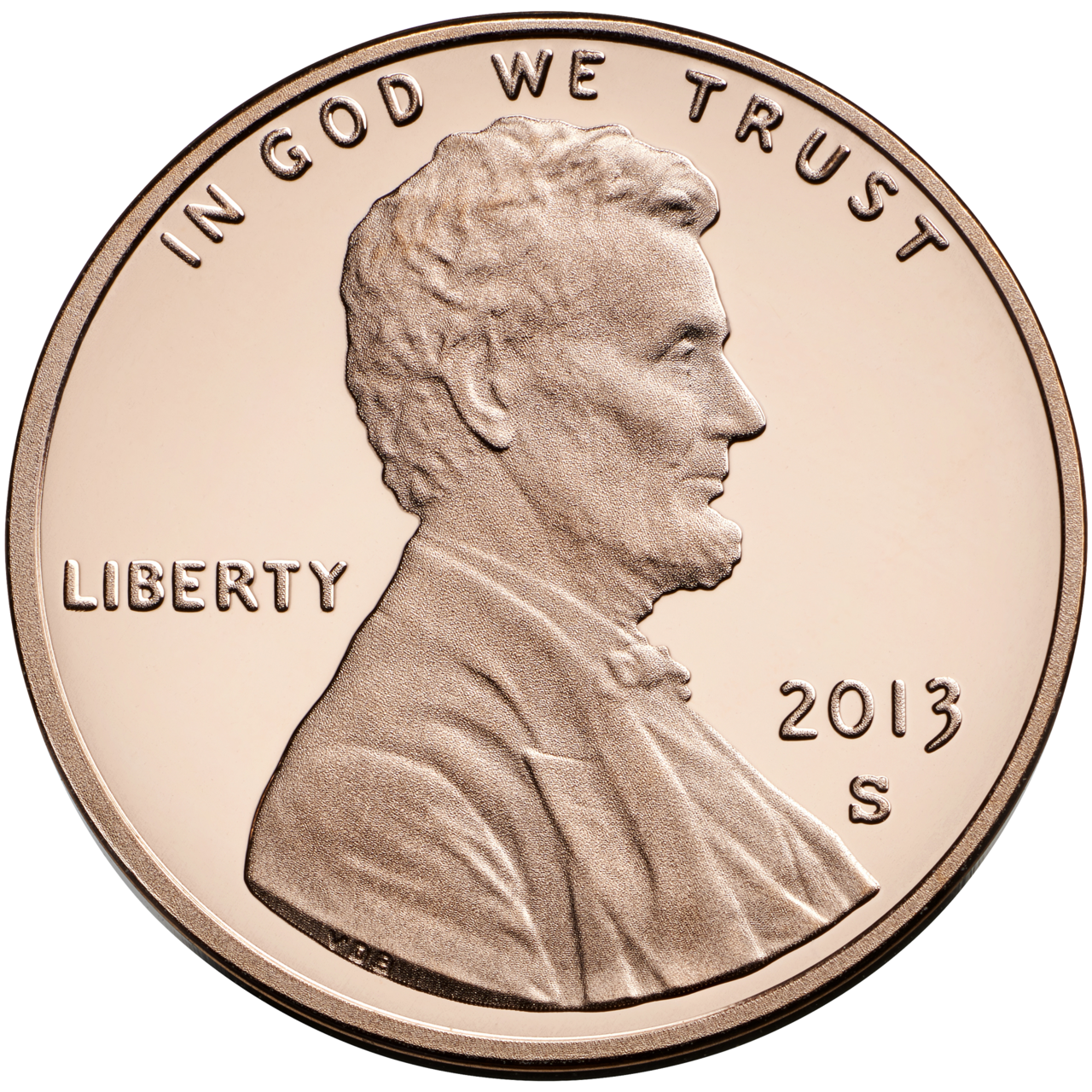
The US Penny's Final Bow: What the 2026 Discontinuation Means for Your Wallet and Beyond
While some individuals might be searching to understand the financial legacy behind a name like 'penny chenery net worth,' our focus today turns to a different kind of penny – the humble one-cent coin – and its profound impending retirement from US circulation. The news is out: the US penny is slated to cease production in early 2026, marking the end of an era for the nation's smallest denomination. This decision, long debated and now solidified, will usher in significant changes for consumers, businesses, and even coin collectors. Understanding these shifts is crucial to navigating a future without the copper-plated zinc coin we've known for generations.
The End of an Era: Why the Penny is Retiring
The journey to the penny's discontinuation has been a long one, driven by a confluence of economic, logistical, and even environmental factors. For years, the US Mint has faced the unenviable task of producing a coin that costs more than its face value. In recent times, the cost to mint a single penny has hovered around 2 to 3 cents, translating into millions of taxpayer dollars lost annually just to keep these coins in circulation. This inefficiency is a primary driver behind the 2026 decision.
Beyond the production cost, the penny's diminishing purchasing power in an inflationary economy has rendered it increasingly obsolete. What could a penny buy decades ago is a distant memory today. Many argue that pennies simply clutter wallets and slow down transactions, adding little practical value. Furthermore, the environmental impact of mining and refining the metals (primarily zinc and a thin copper plating) required for billions of pennies each year is a growing concern. Countries like Canada, Australia, New Zealand, and various European nations have already successfully phased out their lowest-denomination coins, providing a roadmap for the US.
- Cost of Production: Each penny costs more than one cent to manufacture.
- Diminishing Value: Inflation has eroded the penny's purchasing power.
- Logistical Burden: Pennies often accumulate and are rarely spent, becoming "dead weight."
- Environmental Concerns: The mining and processing of metals have an ecological footprint.
Practical Implications for Your Daily Wallet
The discontinuation of the penny will undoubtedly lead to adjustments in how we handle cash transactions. The most significant change will involve cash payments being rounded to the nearest nickel. This practice, often referred to as "Swedish rounding" or "cash rounding," means that a purchase totaling $4.97 would likely be rounded down to $4.95, while $4.98 would round up to $5.00. Electronic transactions, credit cards, and debit cards will remain unaffected, with exact amounts still being charged.
For businesses, this change will necessitate updates to point-of-sale (POS) systems and staff training on rounding procedures. While some consumers might initially feel slighted by an occasional round-up, the impact is expected to be minimal over time, with instances of rounding up and down generally balancing out. Charities that rely on penny drives will need to adapt their fundraising strategies, perhaps shifting to collecting nickels or focusing on digital donation methods.
What should you do with your existing stash of pennies? You have several options:
- Spend Them: Until early 2026, pennies will remain legal tender. Use them for cash purchases, especially for odd amounts.
- Deposit Them: Banks will continue to accept pennies for deposit into your account.
- Donate Them: Many charities still accept penny donations.
- Keep Them: If you're a collector or simply sentimental, holding onto a roll or two might appeal to you.
Ultimately, the move will likely accelerate the ongoing shift towards a more cashless society, further emphasizing the convenience of digital payment methods.
The Collector's Perspective: Will Pennies Become Valuable?
For numismatists and casual collectors alike, the news of the penny's impending demise raises an important question: will these coins become more valuable? The answer, as with most collectibles, is nuanced. While the common pennies you find in your couch cushions are unlikely to become instant treasures, certain rare varieties and key dates could see an increase in demand.
Millions of pennies have been minted, making most of them very common. The sheer volume ensures that the vast majority will not gain significant value just because they are no longer produced. However, serious collectors will be on the lookout for:
- Key Dates and Mint Marks: Specific years (e.g., 1909-S VDB, 1914-D, 1931-S) and mint marks (D for Denver, S for San Francisco) are already highly sought after. Their value is expected to remain strong and potentially appreciate further.
- Error Coins: Pennies with striking errors, double dies, or off-center strikes are always rare and valuable. The end of production might intensify the search for these unique pieces.
- "Last Batch" Coins: There might be a slight premium for pennies minted in the final year (2025/2026, depending on the exact cessation date), especially if they come in mint-state condition. These could become mementos of the penny's final run.
It's important to differentiate between collecting for sentimental value and investing for financial gain. Most pennies will only ever be worth their face value, or slightly more to cover transaction costs for bulk sales. However, if you're curious about potential treasures in your coin jar, check out our guide on How Much Is Your Penny Worth? A 2024 Coin Value Guide. For a deeper dive into what the discontinuation means for numismatic value, read The Penny's Last Days: Will Your Old Coins Be More Valuable?
Beyond the Coin: The Broader Impact on Economy and Culture
The disappearance of the penny is more than just a logistical change; it represents a subtle shift in the American economic landscape and even its cultural fabric. For over 160 years, the penny, and specifically the Lincoln Cent since 1909, has been a ubiquitous symbol, often associated with phrases like "a penny for your thoughts" or "every penny counts." Its retirement will undoubtedly evoke a sense of nostalgia for many.
Economically, the removal of the smallest denomination could have minor psychological effects on pricing. Retailers might be tempted to round prices up more frequently, but competitive markets generally prevent widespread unjustified price increases. The experience of other countries suggests that consumers quickly adapt, and any perceived negative impacts tend to be short-lived and minimal.
The move also signifies a further step toward modernizing the US monetary system. As digital payments become increasingly dominant, physical currency, particularly low-value coins, becomes less essential. The penny's departure is a recognition of this evolving financial landscape, paving the way for a more efficient and streamlined system that aligns with contemporary spending habits.
The US penny's journey to retirement in 2026 marks a significant moment in American monetary history. While the decision is rooted in economic practicality and efficiency, it also brings about a period of adjustment for daily transactions and sparks renewed interest among coin collectors. As we prepare to bid farewell to this humble coin, understanding the implications and making informed decisions about our existing pennies will ensure a smooth transition into a penny-less future.
